
Applications
How It Works
Broad Refinery and Petrochemical Experience
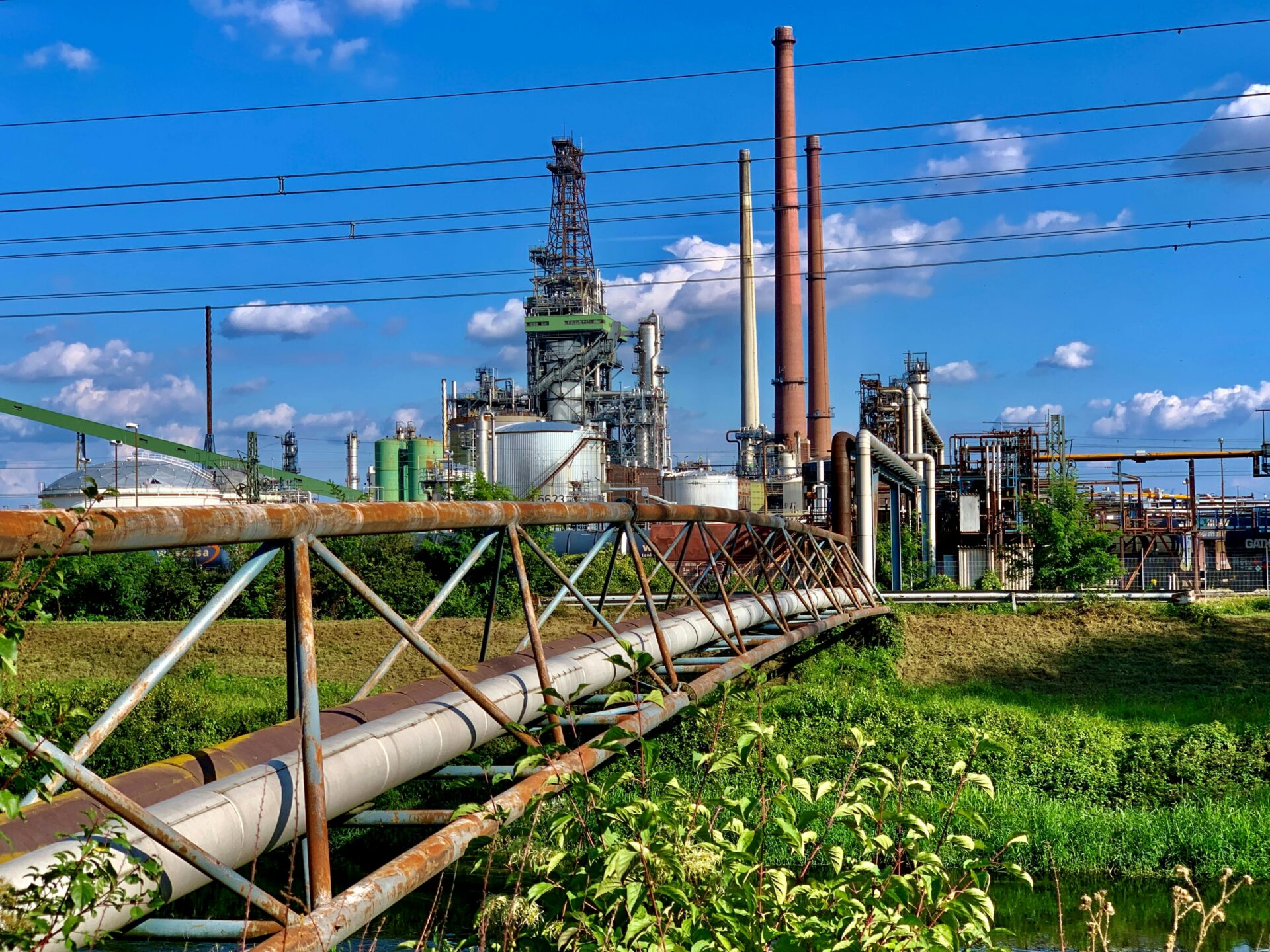
Clean Concepts chemistries are applied across refinery and petrochemical processing systems including crude and conversion units, hydroprocessing and treating systems, gas recovery and fractionation units, olefin and aromatics processing facilities, and associated storage and utility infrastructure.
Our programs commonly address heavy hydrocarbon, asphaltenic, paraffinic, wax, and polymer related deposits along with hazardous atmosphere reduction in preparation for maintenance and inspection. Chemical treatment programs are frequently applied prior to mechanical intervention to mobilize deposits, reduce hazardous atmospheres, and improve overall equipment accessibility.
These applications extend across towers, drums, reactors, heat exchangers, compressors, storage tanks, process piping, sumps, and process sewer systems throughout refinery and petrochemical facilities.

Crude and Vacuum Distillation Systems
Typical focus
• Heavy hydrocarbon, asphaltenic, paraffinic, and wax deposit removal
• Coke precursor reduction
• Fouling reduction in fractionation systems
• Atmosphere preparation prior to inspection or entry
Units include
- LGHT CDU
- HVY CDU
- VDU
- Desalters
- Heavy Feed Drums
- Stabilizers
- Strippers
- Visbreaker towers and drums
Units include
LGHT CDU
HVY CDU
VDU
Desalters
Heavy Feed Drums
Stabilizers
Strippers
Visbreaker towers and drums
These systems commonly accumulate heavy hydrocarbon deposits during extended operating cycles. Chemical treatment programs can mobilize these deposits and assist in preparing equipment for maintenance while reducing hazardous atmospheres within the unit.
Conversion and Upgrading Units
Typical focus
• Heavy hydrocarbon and polymer related deposit removal
• Coke precursor management
• Fouling reduction in reactor and fractionation systems
• Maintenance preparation and atmosphere conditioning
Units include
- FCC
- Delayed Coker
- ROSE Units
- Hydrocracker Units
- Reformer Units
- Isomerization Units (ISOM)
- Alkylation Units (Non-Acid Service)
- Asphalt production units
Units include
FCC
Delayed Coker
ROSE Units
Hydrocracker Units
Reformer Units
Isomerization Units (ISOM)
Alkylation Units (Non-Acid Service)
Asphalt production units
Conversion units often experience complex fouling from heavy hydrocarbons, coke precursors, and reaction byproducts. Chemical treatment programs help mobilize these deposits and reduce atmospheric hazards prior to maintenance activities.
Hydroprocessing and Treating Units
Typical focus
• Asphaltenic and paraffinic deposit removal
• Hydrogen sulfide reduction
• Atmosphere preparation prior to maintenance
Units include
- GOHTU
- DHTU
- NHTU
- KHTU
- Hydrocracker Units
- Sponge Oil Systems
- Treaters
- Amine Service Units
- Caustic Service Units
- SRU
- SWS
- HGU / Hydrogen Plants
- Fuel Gas Treating
Units include
GOHTU
DHTU
NHTU
KHTU
Hydrocracker Units
Sponge Oil Systems
Treaters
Amine Service Units
Caustic Service Units
SRU
SWS
HGU / Hydrogen Plants
Fuel Gas Treating
Hydroprocessing units frequently accumulate heavy hydrocarbons and sulfur containing materials during operation. Chemical programs are applied to mobilize deposits and reduce hazardous atmospheres prior to inspection and maintenance.
Gas Recovery and Fractionation Systems
Typical focus
• Wax and heavy hydrocarbon deposit removal
• Volatile hydrocarbon reduction
• Vapor phase atmosphere conditioning
Units include
- Wet Gas Compressors
- DePropanizers
- DeButanizers
- Splitters
- C3 / C4 Fractionation
- LPG Systems
- Oil Absorbers
- Tail Gas Systems
- GRU
- GRP
- Stabilizers
Units include
Wet Gas Compressors
DePropanizers
DeButanizers
Splitters
C3 / C4 Fractionation
LPG Systems
Oil Absorbers
Tail Gas Systems
GRU
GRP
Stabilizers
These systems frequently accumulate waxes and heavy hydrocarbons that restrict flow and contribute to atmospheric hazards during shutdown. Chemical programs help mobilize these materials and prepare systems for maintenance activities.
Olefin and Petrochemical Processing Units
Typical focus
• Polymer related deposit removal
• Heavy hydrocarbon and wax accumulation management
• Degassing and atmosphere control prior to maintenance
Units include
- Ethylene Units
- Propylene Units
- Butadiene Units
- Aromatics Recovery Units
- Benzene Units
- Toluene Units
- Xylene Units
- Sulfolane Units
- Polymer Processing Units
- Derivative Processing Units
- Olefin Treaters
- Chemical Processing Systems
Units include
Ethylene Units
Propylene Units
Butadiene Units
Aromatics Recovery Units
Benzene Units
Toluene Units
Xylene Units
Sulfolane Units
Polymer Processing Units
Derivative Processing Units
Olefin Treaters
Chemical Processing Systems
Petrochemical systems frequently experience fouling from polymer formation and heavy hydrocarbon accumulation. Chemical cleaning programs help mobilize these deposits and prepare equipment for inspection and maintenance.
Heat Exchangers and Heat Transfer Systems
Typical focus
• Heavy hydrocarbon, asphaltenic, and paraffinic deposit removal
• Wax and fouling accumulation in heat transfer surfaces
• Circulation cleaning prior to mechanical cleaning
• Restoration of heat transfer efficiency
Applications include
- Pre-heat train exchangers
- Crude and vacuum tower exchangers
- Hydroprocessing exchangers
- FCC slurry and fractionator exchangers
- Petrochemical furnace and quench exchangers
- Cooling and process exchangers
Applications include
Pre-heat train exchangers
Crude and vacuum tower exchangers
Hydroprocessing exchangers
FCC slurry and fractionator exchangers
Petrochemical furnace and quench exchangers
Cooling and process exchangers
Hydrocarbon fouling in preheat trains and heavy end exchanger networks gradually reduces heat transfer efficiency, increases thermal resistance, and forces higher heater or furnace duty to maintain target process temperatures. Our solvent-based cleaning approach, using systems such as CC925HD, is engineered to reliquefy and mobilize heavy hydrocarbon deposits, including asphaltenes, tar, and coke precursors. Allowing foulants to remain suspended and pumpable throughout circulation. Facilities often apply this method to recover exchanger performance prior to shutdown or to reduce fouling conditions before mechanical cleaning activities begin.
This method can be applied online or during planned outages, restoring exchanger performance, lowering energy demand, stabilizing operating temperatures, and improving reliability between turnarounds. By reducing fouling prior to mechanical intervention, facilities often recover 90–95% of lost efficiency, decrease exchanger pressure drop, minimize bundlepulling scope, and protect overall heat integration—ultimately supporting reduced heater duty, improved run length, and more predictable operations.
Storage, Flare, and Associated Infrastructure
Typical focus
• Sludge mobilization
• Asphaltenic and wax deposit removal
• Tank and vessel atmosphere stabilization
Units include
- Hydrocarbon Storage Tanks
- LPG Storage Tanks
- Chemical Storage Tanks
- Flare Drum
- Flare in Unit Systems
- Lube Oil Systems
- Heavy Feed Drums
Units include
Hydrocarbon Storage Tanks
LPG Storage Tanks
Chemical Storage Tanks
Flare Drum
Flare in Unit Systems
Lube Oil Systems
Heavy Feed Drums
Chemical treatment programs help mobilize accumulated sludge and prepare vessels for safe inspection and maintenance.
Process Systems and Utilities
Typical focus
• Sludge and hydrocarbon accumulation removal
• Atmosphere stabilization prior to maintenance
• Cleaning of associated infrastructure systems
Systems include
- Reactors
- Process Sumps
- Process Sewer Systems
- Utility Piping Systems
- Process Drains
Systems include
Reactors
Process Sumps
Process Sewer Systems
Utility Piping Systems
Process Drains
These systems often accumulate hydrocarbons and process debris over extended operating cycles. Chemical treatment programs can mobilize these materials and assist in preparing systems for maintenance activities.